Advanced technology has totally taken over the world of automobile vehicles, the more advanced your ride is, the better. Which is why car manufacturers all over the world are doing everything they can to constantly upgrade their vehicles. One of the things that they are actually focusing for the past couple of years is how they could actually make their cars safer because everyone wants to be safe. It started in 1958 when Saab changed the world of car safety when they made the seatbelt standard and in the 1970s, the high-mounted brake lights, as well as airbags, were introduced by Oldmobile Toronado. And up till today, those things are extremely helpful and adds safety when to every car. Now that we’re in the digital world, you would expect that there would be much more inventions that will be introduced but none has made a huge difference yet.
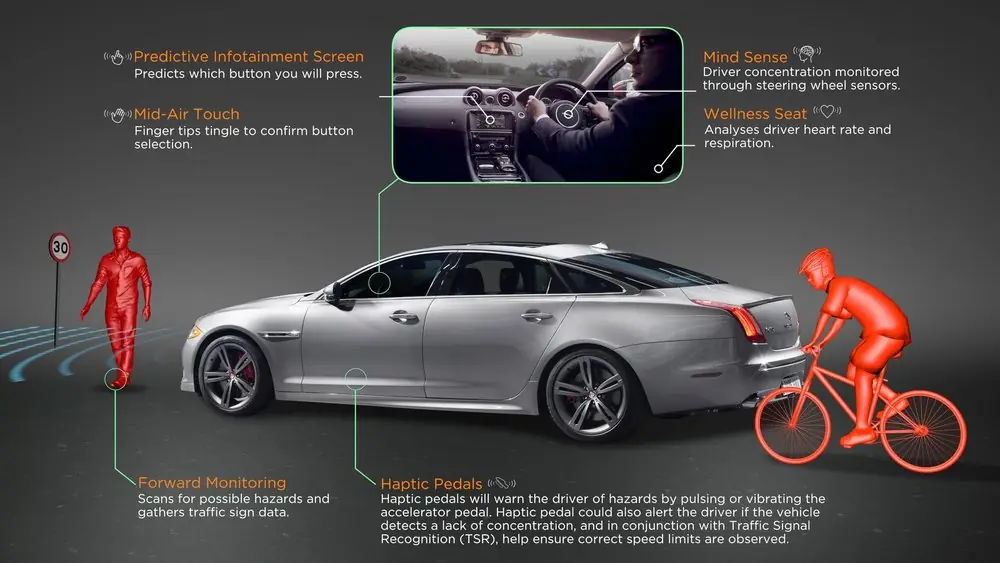
However, there is an all-new discovery that will help people during medical emergencies. With all the advanced wearables as well as autonomous driving systems, two of the leading car manufacturers in the world have been doing independent research on how they will be able to pair health sensors with their advanced autonomous driving technology.
HEALTHY AUTO
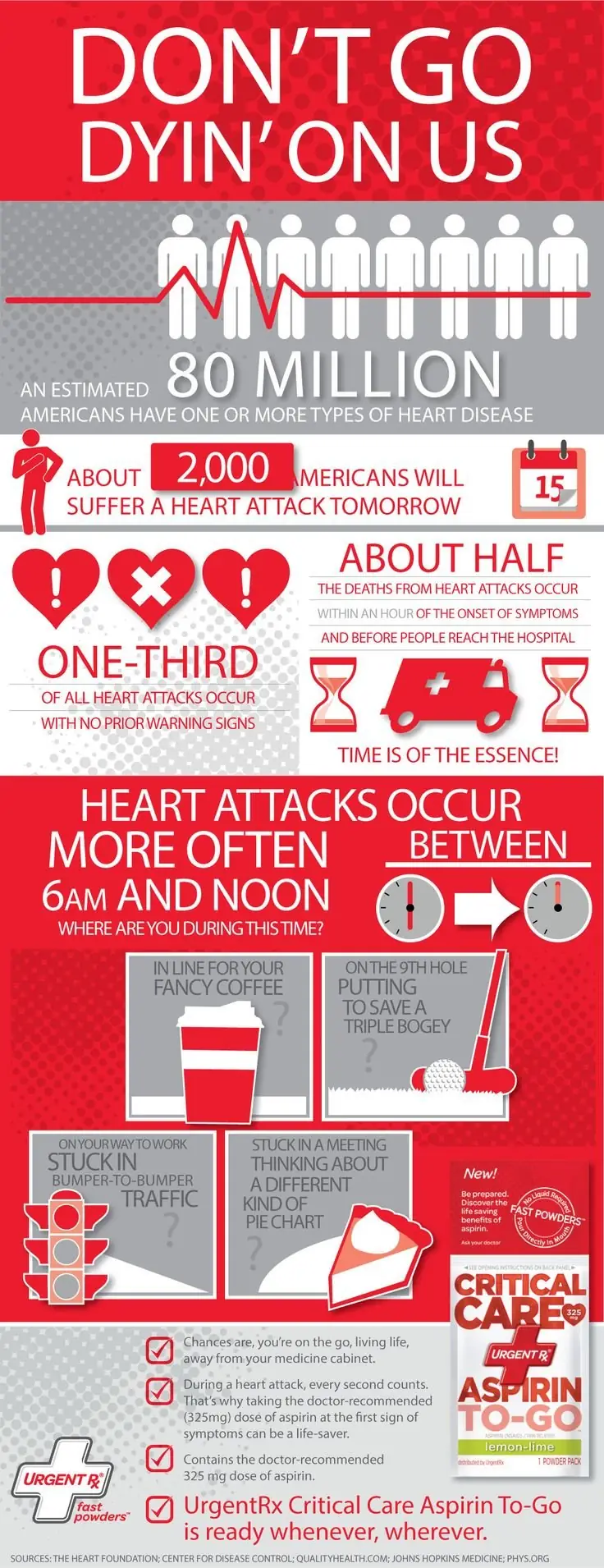
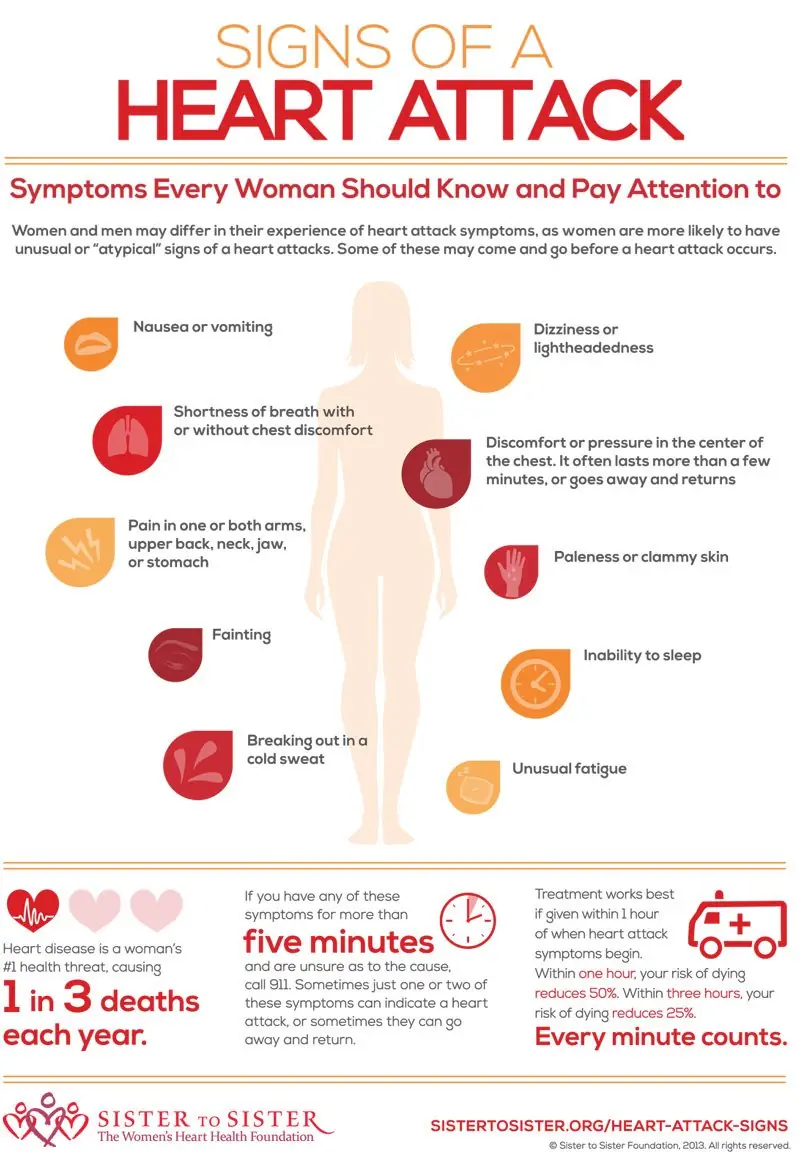
There are about 735,000 incidents of a heart attack every single year and some of them experience it while driving. This is all according to the United States Centers for Disease Control and Prevention, it is actually like 1 in every 43 seconds and most of these episodes are actually a person’s first. Cardiovascular arrest or heart attack may occur for a lot of different reasons in a lot of different environments. A heart attack is usually brought on by stress as well as underlying health factors just like coronary artery disease. Driving is considered to be the worst time to be having a heart attack and there is just no way to stop it, which is why car manufacturers are continuing their research to be able to help people by warning them if they are at risk of having a heart attack while they are driving.
TOYOTA’S CARDIAC ARREST WARNING RESEARCH
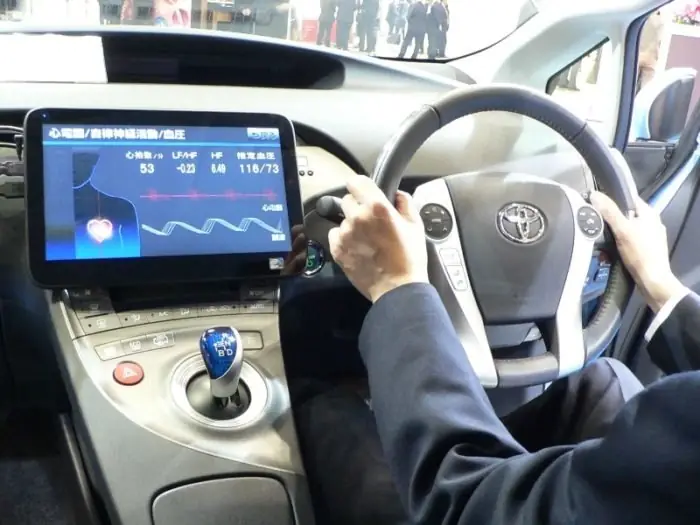
One of the leading companies in the world when it comes to affordable and reliable cars is Toyota. They have said to be have been researching on how exactly they could pair up health sensors together with autonomous driving technology, which would make the vehicle pull off the road and actually be the one to ask for help especially if it’s driver is suffering from cardiac arrest or even a diabetic event. According to Toyota’s senior executive engineer Chuck Gulash, who is also the director of their Collaborative Safety Research Center in Michigan, the glucose level as well as the driver’s heart rate can actually be monitored since they are associated with one of the most common causes of car accidents. Gulash even referenced a National Highway Traffic Administration study back in 2009, wherein they found that diabetic events were actually behind 20 percent of car accidents since people are not usually aware that they are having a medical trouble. Gulash even said, “We’ve spent 30 years scientifically measuring crash criteria but there wasn’t a lot of research into physiological metrics.”
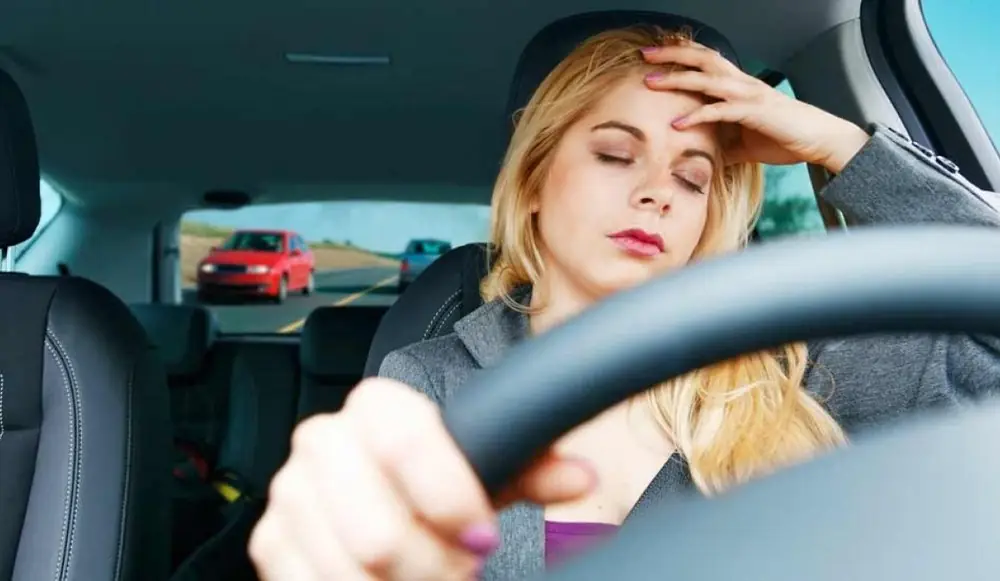
Dr. Nitish Badwhar, a professor of clinical medicine and director of the Cardiac Electrophysiology Training Program at the University of California, San Francisco said that any heart-related medical issues while driving a vehicle is extremely dangerous since the driver may actually lose consciousness that could lead to a crash.
FORD’S WEARABLE CAR SENSORS
If Toyota is working on technology that could make the vehicle automatically pull over when the driver is detected to be having an attack, Ford on the other hand, is actually researching into making linkable wearable and in-car sensors to be able to actually monitor the heart rate as well as the respiration rates, skin temperature as well as the blood glucose levels. The American car manufacturer is also trying to develop a non-intrusive method that could actually measure the brain waves to be able to determine the alertness of the driver.
“The technology to measure brain waves exists today if you’re willing to stay a teetered helmet filled with sensors to your head,” this is what Gary Strumolo said, who is the manager of the automaker’s vehicle design and infotronics research analysis. He also said that in order for technology to work in the marketplace, that particular technology must be incredibly reliable as well as invisible and convenient to the consumer.